Are you tired of feeling off-kilter, battling persistent dizziness, or experiencing the disorienting spin of vertigo?
You're not alone. Dizziness and balance problems affect millions worldwide, significantly impacting quality of life and increasing the risk of falls. These issues often stem from problems within the vestibular system, our body's intricate inner ear and brain network responsible for spatial orientation and maintaining equilibrium.
The good news is that there are highly effective, evidence-based strategies to combat these debilitating symptoms. One of the most powerful approaches is Vestibular Rehabilitation Therapy (VRT), a specialized form of exercise designed to retrain your brain and body to better manage balance and reduce the sensation of dizziness.

Understanding Dizziness and Balance Problems: More Than Just a Feeling
Dizziness is a broad term that can encompass various sensations, including lightheadedness, faintness, unsteadiness, or a feeling of spinning (vertigo). While occasional dizziness can be harmless, chronic or severe episodes often signal an underlying issue impacting your neurological and vestibular systems.
Our sense of balance is a complex interplay of three primary sensory systems: the **vestibular system** (inner ear), **vision** (eyes), and **somatosensory system** (touch and proprioception from muscles and joints). The brain integrates information from all three to maintain our equilibrium. When one or more of these systems malfunction, or when the brain struggles to integrate their signals, dizziness and balance problems arise.
Common causes of dizziness and vertigo range from benign conditions like **Benign Paroxysmal Positional Vertigo (BPPV)**, where tiny calcium crystals in the inner ear become dislodged, to more complex issues such as Meniere's disease, vestibular neuritis, labyrinthitis, migraines, head injuries, or even certain medications. Sometimes, systemic issues like low blood pressure or Vitamin B12 deficiency can also contribute to these symptoms. Understanding the root cause is the first step toward effective treatment.
💡 Key Takeaway
Dizziness and balance problems are often rooted in the vestibular system, but can also involve vision and somatosensory input. Vestibular Rehabilitation Therapy (VRT) offers a structured approach to retrain the brain and body, significantly improving symptoms and stability.
The Vestibular System: Your Body's Internal GPS
Nestled deep within your inner ear, the vestibular system is a marvel of biological engineering. It's composed of the semicircular canals, which detect rotational movements of the head, and the otolith organs (utricle and saccule), which sense linear acceleration and gravity. Together, these structures send crucial information to the brain about head position and motion.
This information is then processed by the brainstem, cerebellum, and cerebral cortex, where it's integrated with visual input from your eyes and proprioceptive input from your muscles and joints. The resulting coordinated effort allows you to maintain a steady gaze while moving, walk without stumbling, and understand your orientation in space. When any part of this intricate system is compromised, the brain receives conflicting or inaccurate signals, leading to the unsettling sensations of **vertigo, dizziness, and imbalance**.
Disruptions to the vestibular system can stem from various sources, including infections, inflammation, trauma, degenerative changes, or circulatory issues. Identifying the specific nature of the vestibular dysfunction is critical for tailoring the most effective rehabilitation strategy. This is where Vestibular Rehabilitation Therapy (VRT) shines, offering a targeted approach to recalibrate your body's internal GPS.
Introducing Vestibular Rehabilitation Therapy (VRT): A Path to Stability
Vestibular Rehabilitation Therapy (VRT) is a specialized exercise-based program designed to reduce dizziness, vertigo, and unsteadiness by improving the function of the vestibular system and its interaction with other balance systems. It's a highly effective, non-invasive treatment often prescribed by physical therapists, occupational therapists, or audiologists with specialized training.
The core principle of VRT is to encourage the brain to compensate for inner ear deficits (vestibular adaptation) or to habituate to movements that provoke symptoms (vestibular habituation). This involves a series of customized exercises that challenge the balance system in a controlled manner, gradually allowing the brain to reorganize and improve its ability to process sensory information. VRT is not a one-size-fits-all solution; a thorough assessment by a qualified professional is essential to create a personalized treatment plan.
Reduces Dizziness and Vertigo
VRT directly targets the mechanisms causing these sensations, helping to recalibrate the brain's response to inner ear signals. Patients often report a significant decrease in the frequency and intensity of dizzy spells.
Improves Balance and Stability
Through specific balance training exercises, VRT enhances postural control and reduces unsteadiness. This leads to greater confidence in daily activities and a decreased risk of falls, particularly important for older adults.
Enhances Gaze Stability
Many vestibular conditions cause blurred vision or difficulty focusing during head movement (oscillopsia). Gaze stabilization exercises improve the Vestibulo-Ocular Reflex (VOR), allowing for clear vision even when the head is in motion.
Boosts Confidence and Quality of Life
Living with chronic dizziness can be isolating and lead to anxiety. By regaining control over their symptoms and improving balance, individuals can participate more fully in social activities and daily routines, significantly enhancing their overall well-being.
Reduces Fall Risk
For individuals with balance deficits, the risk of falling is a major concern. VRT directly addresses this by improving stability and reactive balance, providing practical skills to prevent falls and maintain independence.
Promotes Central Compensation
When the inner ear is permanently damaged, the brain can learn to rely more on visual and somatosensory cues for balance. VRT facilitates this "central compensation," allowing the brain to adapt and find new ways to maintain equilibrium.

Key Components of Vestibular Rehabilitation Exercises
VRT programs are tailored to individual needs but generally incorporate several categories of exercises aimed at improving different aspects of balance and dizziness management.
1. **Gaze Stabilization Exercises:** These exercises are designed to improve the **Vestibulo-Ocular Reflex (VOR)**, which is responsible for keeping your vision clear when your head moves. A common exercise is the "X1 exercise" where you focus on a stationary target while moving your head from side to side or up and down. Another is the "X2 exercise" where you move your head and the target in opposite directions. These help the eyes stay fixed on a target despite head movements, reducing visual blurring and spatial disorientation.
2. **Habituation Exercises:** For individuals whose dizziness is triggered by specific head movements or visual stimuli, habituation exercises are crucial. These involve repeatedly exposing the individual to the movements or stimuli that provoke their symptoms, but in a controlled and gradual manner. The goal is to reduce the brain's sensitivity to these triggers over time. Examples might include head turns, bending over, or looking at visually stimulating patterns. The key is to provoke mild symptoms without causing severe distress, gradually increasing the intensity and duration.
3. **Balance Training Exercises:** These exercises are fundamental for improving **postural stability** and reducing the risk of falls. They challenge balance in various ways, progressing from static to dynamic movements, and from stable to unstable surfaces.
- **Static Balance:** Standing on one leg, tandem stance (heel-to-toe), or standing on foam.
- **Dynamic Balance:** Walking heel-to-toe, walking with head turns, stepping over obstacles, or walking backwards.
- **Sensory Integration:** Practicing balance with eyes closed or in dimly lit environments to encourage reliance on vestibular and somatosensory cues when visual input is reduced.
4. **Canalith Repositioning Maneuvers (CRMs):** Specifically for **Benign Paroxysmal Positional Vertigo (BPPV)**, CRMs (like the Epley maneuver) are highly effective. BPPV occurs when tiny calcium carbonate crystals (otoconia) dislodge from their normal position in the inner ear and migrate into one of the semicircular canals. These maneuvers involve a series of specific head and body movements designed to guide these crystals back into their appropriate chamber, resolving the vertigo. These should always be performed by or under the strict guidance of a trained healthcare professional.
5. **Walking and Gait Training:** Beyond basic balance, VRT often incorporates exercises to improve the quality and safety of walking. This can include walking on uneven surfaces, walking while performing cognitive tasks (dual-tasking), or navigating complex environments. The aim is to integrate improved balance and gaze stability into functional daily activities.
Consistency is paramount in VRT. Patients are typically given a home exercise program to perform daily, which reinforces the gains made during therapy sessions. Over time, the brain's remarkable plasticity allows it to adapt and compensate, leading to a significant reduction in symptoms and a return to a more active, stable life.
Beyond Exercises: Holistic Approaches to Balance and Dizziness
Nutrition and Hydration
A balanced diet rich in antioxidants, vitamins, and minerals supports overall neurological health. Dehydration and electrolyte imbalances can exacerbate dizziness. Ensuring adequate water intake and a diet rich in fruits, vegetables, and lean proteins is crucial. Some individuals find that limiting caffeine, alcohol, and high-sodium foods helps manage symptoms, particularly with conditions like Meniere's disease.
Sleep and Stress Management
Lack of sleep and high stress levels can trigger or worsen dizziness and vertigo. Prioritizing 7-9 hours of quality sleep per night and incorporating stress-reduction techniques like meditation, deep breathing, or yoga can significantly improve symptoms. Chronic stress impacts the nervous system, potentially affecting vestibular function.
Regular Physical Activity
While VRT focuses on specific exercises, general physical activity is also beneficial. Low-impact activities like walking, swimming, or cycling can improve cardiovascular health, muscle strength, and flexibility, all of which indirectly support better balance. Always ensure activities are safe and do not exacerbate your symptoms.
Regular Medical Check-ups
Ongoing communication with your healthcare provider is key. Regular check-ups can help monitor your condition, adjust medications if necessary, and rule out other potential causes of dizziness. This is especially important as we age, as many factors can contribute to balance issues. To learn more about how to proactively maintain balance, read our article on Best Supplements for Senior Balance and Fall Prevention.
Natural Support for Balance and Neurological Health: Claritox Pro
While Vestibular Rehabilitation Therapy is a cornerstone for treating dizziness and balance problems, many individuals seek complementary approaches to support their neurological health and enhance their body's natural ability to maintain equilibrium. Claritox Pro is a natural supplement formulated with a blend of ingredients known for their potential benefits in supporting brain function, reducing oxidative stress, and promoting overall balance.

Bacopa Monnieri
Role: An adaptogenic herb traditionally used in Ayurvedic medicine to enhance cognitive function, memory, and reduce anxiety. It may support neuronal communication and protect brain cells from oxidative damage, indirectly aiding neurological processes vital for balance.
Typical Dose: 300-450mg extract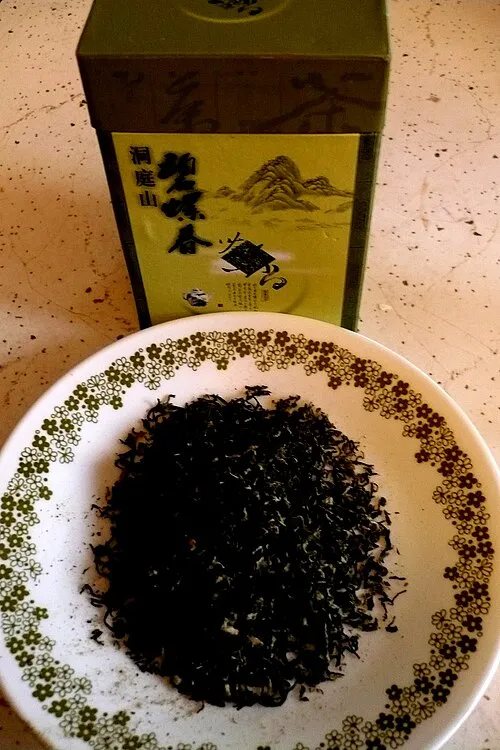
Green Tea Extract
Role: Rich in antioxidants, particularly EGCG (Epigallocatechin gallate), which helps combat oxidative stress and inflammation. It supports brain health by promoting healthy blood flow and protecting neural tissues, contributing to optimal nervous system function for balance control.
Typical Dose: 250-500mg extract
Mucuna Pruriens
Role: Contains L-Dopa, a precursor to dopamine, a neurotransmitter crucial for motor control, coordination, and mood. By supporting healthy dopamine levels, it may contribute to improved neurological signaling and motor function, essential for maintaining balance.
Typical Dose: 200-500mg extract
N-Acetyl Cysteine (NAC)
Role: A powerful antioxidant and precursor to glutathione, the body's master antioxidant. NAC helps reduce oxidative stress and inflammation in the brain, protects nerve cells, and supports detoxification pathways, which are vital for maintaining a healthy neurological environment.
Typical Dose: 600-1800mg
Passionflower
Role: Known for its calming and anxiolytic properties. It may help reduce anxiety and stress, which can often exacerbate dizziness and balance issues. By promoting relaxation, it can indirectly support clearer cognitive function and better body control.
Typical Dose: 200-400mg extract
Valerian Root
Role: A traditional herbal remedy for sleep and anxiety. By improving sleep quality and reducing nervousness, valerian root can help the body and brain recover and function optimally, potentially alleviating dizziness symptoms often linked to fatigue and stress.
Typical Dose: 400-900mg extractClaritox Pro is designed to provide a synergistic blend of these natural compounds, aiming to support the intricate neurological pathways involved in maintaining balance and reducing the sensation of dizziness. It's important to remember that supplements are intended to complement a healthy lifestyle and medical treatments, not replace them. For detailed scientific backing, explore our page on Claritox Pro Clinical Evidence and Research.

Ready to Reclaim Your Balance and Confidence?
Don't let dizziness and unsteadiness dictate your life. Embrace a proactive approach to your neurological health with Claritox Pro, a natural solution designed to support your body's innate ability to maintain balance and clarity.
- ✓ Supports natural balance and stability
- ✓ Promotes healthy brain function
- ✓ Crafted with potent, natural ingredients
- ✓ Made in the USA in an FDA-registered facility
- ✓ Backed by a 60-day money-back guarantee




Real Stories, Real Results
"For years, I struggled with sudden dizzy spells that made everyday tasks terrifying. After starting VRT and adding Claritox Pro, I've noticed a remarkable difference. My balance is better, and the dizzy episodes are far less frequent. I feel so much more confident now!"
"I was skeptical at first, but the combination of my physical therapy exercises and Claritox Pro has truly been a game-changer. The brain fog has lifted, and I no longer feel like I'm walking on a boat. Highly recommend for anyone dealing with persistent unsteadiness."
"My doctor suggested VRT, and I wanted to support my body in every way possible. Claritox Pro seemed like a good fit, and I'm so glad I tried it. My coordination has improved, and I can enjoy my walks again without constant fear of falling. This product works!"
Frequently Asked Questions
What is Vestibular Rehabilitation Therapy (VRT)?
+Vestibular Rehabilitation Therapy (VRT) is a specialized form of physical therapy designed to improve balance and reduce dizziness-related problems. It involves a series of exercises that help the brain compensate for inner ear deficits or process conflicting sensory information, ultimately reducing symptoms of vertigo and instability.
Who can benefit from Vestibular Rehabilitation Exercises?
+Individuals experiencing chronic dizziness, vertigo, imbalance, lightheadedness, or motion sickness due to inner ear disorders (like BPPV, Meniere's disease, vestibular neuritis), concussion, stroke, or general age-related decline in balance can significantly benefit from VRT exercises. A medical professional should always assess suitability.
How long does it take to see results from VRT?
+The timeline for results varies greatly depending on the individual, the underlying condition, and consistency with exercises. Some individuals may experience improvements within a few weeks, while for others, it might take several months. Adherence to a prescribed exercise program is crucial for optimal outcomes.
Are vestibular exercises safe for everyone?
+While generally safe and highly effective, vestibular exercises should always be performed under the guidance of a qualified healthcare professional, especially initially. Certain conditions or severities of symptoms might require modifications or contraindicate specific exercises. It's vital to get a proper diagnosis before starting any new therapy.
Can lifestyle changes complement VRT for better balance?
+Absolutely. Lifestyle changes such as maintaining a healthy diet, staying hydrated, getting adequate sleep, managing stress, avoiding triggers (e.g., certain foods, caffeine, alcohol), and incorporating regular, gentle physical activity can significantly enhance the effectiveness of VRT and contribute to overall balance and well-being. Avoiding sudden head movements can also help.
How can Claritox Pro support overall balance and brain health?
+Claritox Pro is formulated with a blend of natural ingredients known for their neuroprotective and circulatory benefits. Ingredients like Bacopa Monnieri, Green Tea Extract, and Alpha-Lipoic Acid are thought to support brain function, reduce oxidative stress, and improve blood flow, which can indirectly contribute to better neurological communication essential for maintaining balance and reducing dizziness.
Related Articles