Struggling with the relentless spinning of vertigo, ringing ears, and unpredictable balance loss?
Meniere's disease is a chronic and often debilitating inner ear disorder that can profoundly impact an individual's quality of life. Characterized by a distinctive set of symptoms including episodic vertigo, tinnitus, hearing loss, and aural fullness, it presents a unique challenge for both diagnosis and management. The unpredictable nature of its attacks can lead to significant anxiety, social isolation, and a constant fear of the next episode.
While conventional medical approaches exist, many sufferers are increasingly seeking complementary and alternative strategies to alleviate symptoms and improve their overall well-being. This comprehensive guide delves into the intricate world of Meniere's disease, exploring its symptoms and potential causes, and critically examining various natural management techniques that offer hope for a more stable and balanced life.

What Exactly is Meniere's Disease?
Meniere's disease is a complex and often misunderstood disorder of the inner ear, significantly affecting balance and hearing.
At its core, Meniere's disease is characterized by an abnormal fluid buildup in the inner ear, specifically within the endolymphatic sac. This condition is known as endolymphatic hydrops. The inner ear houses the vestibular system (responsible for balance) and the cochlea (responsible for hearing). When the pressure from this excess fluid fluctuates, it disrupts the delicate signals sent to the brain, leading to the debilitating symptoms associated with the disease.
The disease typically manifests in adults between the ages of 40 and 60, though it can affect individuals of any age. It is often unilateral, meaning it affects only one ear, but in about 15-20% of cases, both ears can eventually be affected. The unpredictable nature of Meniere's attacks makes it particularly challenging. Patients often live in constant apprehension, unsure when the next episode of intense vertigo, roaring tinnitus, or sudden hearing loss will strike. This chronic stress can exacerbate symptoms and significantly diminish overall quality of life.
Understanding Meniere's disease goes beyond just its physical manifestations; it involves recognizing the profound psychological and emotional toll it takes. The impact on daily activities, work, and social interactions can be immense, leading to feelings of isolation, anxiety, and even depression. Therefore, effective management often requires a multifaceted approach that addresses not only the physical symptoms but also the mental and emotional well-being of the individual.
💡 Key Takeaway
Meniere's disease is an inner ear disorder caused by fluid buildup (endolymphatic hydrops), leading to unpredictable episodes of vertigo, tinnitus, hearing loss, and ear fullness. Its chronic and unpredictable nature significantly impacts quality of life, requiring comprehensive management.
Understanding the Debilitating Symptoms of Meniere's Disease
Meniere's disease is defined by a characteristic set of symptoms, often referred to as the "classic tetrad," which occur in episodes.
Episodic Vertigo
This is arguably the most disruptive symptom, characterized by a sensation of spinning, either of oneself or of the surroundings. Vertigo attacks are sudden and intense, often accompanied by nausea, vomiting, and sweating. They can last from 20 minutes to several hours, leaving the individual exhausted and disoriented. The severity can range from mild dizziness to an incapacitating sensation that makes standing or walking impossible.
Tinnitus
A persistent or intermittent ringing, buzzing, roaring, hissing, or whistling sound in the affected ear. Tinnitus can vary in intensity and pitch, often worsening during a vertigo attack or periods of stress. For many, the constant presence of tinnitus is a significant source of distress, affecting concentration, sleep, and overall peace of mind. It's a clear indicator of inner ear dysfunction.
Fluctuating Hearing Loss
Initially, hearing loss in Meniere's disease is typically low-frequency and episodic, improving between attacks. However, over time, the hearing loss can become more permanent and affect a wider range of frequencies. Patients often describe a sense of muffled hearing or difficulty understanding speech, particularly in noisy environments. The unpredictability of hearing can be very frustrating.
Aural Fullness or Pressure
Many individuals report a feeling of pressure, stuffiness, or fullness in the affected ear, often preceding or accompanying a vertigo attack. This sensation is thought to be directly related to the buildup of endolymphatic fluid. It can be a subtle but persistent reminder of the inner ear imbalance and often serves as a warning sign that an attack might be imminent.
Other Associated Symptoms
Beyond the primary tetrad, individuals with Meniere's disease may experience other symptoms. These can include severe headaches or migraines, lightheadedness, impaired balance even between attacks, and increased sensitivity to loud sounds (hyperacusis). The cumulative effect of these symptoms can severely impact daily functioning, making even simple tasks challenging and contributing to chronic fatigue.
The Enigmatic Causes and Risk Factors of Meniere's Disease
Despite extensive research, the exact cause of Meniere's disease remains largely unknown, making it an "idiopathic" condition.
However, the prevailing theory centers around the aforementioned endolymphatic hydrops – the excessive accumulation of fluid in the inner ear. What triggers this fluid imbalance is where the mystery lies, with several theories proposed:
- Impaired Fluid Regulation: The inner ear has a complex system for producing, circulating, and reabsorbing endolymph. A malfunction in any part of this system could lead to fluid buildup. This could be due to structural abnormalities, inflammation, or problems with the blood supply to the inner ear.
- Autoimmune Response: Some research suggests that Meniere's disease might be an autoimmune disorder, where the body's immune system mistakenly attacks healthy inner ear tissues. This theory is supported by the presence of autoimmune markers in some patients and the occasional co-occurrence with other autoimmune conditions.
- Viral Infections: Past viral infections, particularly those affecting the inner ear or cranial nerves, are thought by some to potentially trigger the onset of Meniere's disease in susceptible individuals.
- Genetic Predisposition: While not a purely genetic disease, there appears to be a familial link in a small percentage of cases, suggesting that some individuals may have a genetic predisposition that makes them more vulnerable to developing the condition.
- Head Trauma: A history of head or neck trauma, particularly whiplash injuries, has been implicated in some cases, potentially affecting the delicate structures of the inner ear or its fluid dynamics.
- Allergies: Both food and environmental allergies have been explored as potential triggers or exacerbating factors for Meniere's symptoms in certain individuals, possibly through inflammatory pathways.
Several risk factors may increase an individual's susceptibility or worsen symptoms:
- Stress and Anxiety: Psychological stress is a well-documented trigger for Meniere's attacks. Stress can lead to physiological changes, including changes in blood flow and fluid balance, which may exacerbate inner ear hydrops.
- Dietary Factors: High sodium intake is strongly associated with fluid retention and can worsen endolymphatic hydrops. Caffeine and alcohol are also often cited as triggers due to their diuretic and vasoconstrictive effects, respectively.
- Migraine History: There is a recognized overlap between Meniere's disease and migraine, with some researchers suggesting that Meniere's may be a variant of migraine or that the two conditions share common underlying mechanisms.
- Smoking: Nicotine can impair blood flow to the inner ear, potentially worsening symptoms or contributing to the disease's progression.
- Other Medical Conditions: Conditions like hypothyroidism, diabetes, and autoimmune diseases can sometimes be associated with Meniere's disease, suggesting systemic connections.
Understanding these potential causes and risk factors is crucial, as managing them often forms the basis of both conventional and natural treatment strategies. While the exact trigger remains elusive for many, identifying and addressing personal exacerbating factors can significantly improve symptom control and quality of life.

Diagnosing Meniere's Disease: A Clinical Challenge
Diagnosing Meniere's disease can be challenging due to the episodic nature of its symptoms and the need to rule out other conditions that mimic inner ear disorders.
There is no single definitive test for Meniere's disease. Instead, diagnosis relies on a combination of clinical evaluation, patient history, and various diagnostic tests. The American Academy of Otolaryngology–Head and Neck Surgery (AAO-HNS) has established diagnostic criteria, which include:
- Two or more spontaneous episodes of vertigo, each lasting 20 minutes to 12 hours.
- Audiometrically documented low-to-medium frequency sensorineural hearing loss in the affected ear on at least one occasion before, during, or after an episode of vertigo.
- Fluctuating aural symptoms (hearing loss, tinnitus, or fullness) in the affected ear.
- Exclusion of other vestibular diagnoses.
Key diagnostic tools include:
- Audiometry: A hearing test that measures hearing sensitivity at different frequencies. In Meniere's, it typically shows low-frequency sensorineural hearing loss that fluctuates.
- Vestibular Evoked Myogenic Potentials (VEMPs): Tests that assess the function of the saccule and utricle, parts of the inner ear that respond to gravity and linear motion.
- Electronystagmography (ENG) or Videonystagmography (VNG): These tests measure eye movements to evaluate the function of the vestibular system. They can detect nystagmus (involuntary eye movements) that occur during or after caloric stimulation (warm or cool water/air in the ear canal).
- Electrocochleography (ECoG): Measures the electrical potentials generated by the inner ear in response to sound. It can indicate increased fluid pressure within the inner ear, a hallmark of endolymphatic hydrops.
- Magnetic Resonance Imaging (MRI): While Meniere's disease itself doesn't show up on a standard MRI, this imaging is crucial to rule out other conditions that can cause similar symptoms, such as tumors (e.g., acoustic neuroma), stroke, or multiple sclerosis.
A thorough medical history, including detailed descriptions of attack frequency, duration, and associated symptoms, is paramount. Differential diagnosis is critical, as conditions like vestibular migraine, benign paroxysmal positional vertigo (BPPV), labyrinthitis, and vestibular neuritis can present with similar symptoms. An accurate diagnosis ensures that the most appropriate and effective management plan can be developed.
Conventional Treatments for Meniere's Disease
Conventional medical management for Meniere's disease primarily focuses on symptom control and reducing the frequency and severity of attacks.
Medications
Diuretics (e.g., hydrochlorothiazide, triamterene) are often prescribed to reduce fluid retention in the body, including the inner ear, thereby aiming to alleviate endolymphatic hydrops. Anti-vertigo medications (e.g., meclizine, diazepam) and anti-nausea drugs (e.g., promethazine, ondansetron) are typically used during acute attacks to manage debilitating symptoms like dizziness and vomiting. Some doctors may also prescribe oral corticosteroids during severe attacks to reduce inflammation.
Injections
For individuals with persistent and severe vertigo unresponsive to oral medications, injections into the middle ear may be considered. Corticosteroids (e.g., dexamethasone) can be injected to reduce inner ear inflammation. Another option is gentamicin, an antibiotic that can be injected to ablate (destroy) the balance function of the affected ear. While effective at controlling vertigo, gentamicin carries a risk of permanent hearing loss, so it is usually reserved for severe cases with already significant hearing impairment.
Surgical Interventions
Surgery is typically a last resort for Meniere's disease when all other treatments have failed. Options include: Endolymphatic sac decompression, a procedure aimed at reducing fluid pressure by draining the endolymphatic sac. Vestibular neurectomy, which involves cutting the vestibular nerve to stop balance signals from the affected ear reaching the brain, preserving hearing. Labyrinthectomy, the removal of the balance and hearing structures of the inner ear, resulting in permanent hearing loss but effective vertigo control, usually performed when hearing is already severely compromised.
Vestibular Rehabilitation Therapy (VRT)
Although not a direct treatment for the underlying cause, VRT is crucial for managing chronic balance issues. It involves a series of exercises designed to retrain the brain to compensate for inner ear dysfunction and improve balance. VRT can significantly help individuals regain confidence in their balance and reduce dizziness between Meniere's attacks, enhancing their ability to perform daily activities.
While these conventional treatments can provide significant relief for many, they often come with potential side effects or are invasive. This leads many individuals to explore complementary and natural approaches to manage their symptoms and improve their overall well-being.
Embracing Natural Management Strategies for Meniere's Disease
For many individuals living with Meniere's disease, a holistic approach focusing on natural management strategies offers a path towards better symptom control and an improved quality of life.
These strategies aim to support the body's natural balance mechanisms, reduce inflammation, manage fluid retention, and alleviate stress, all of which can contribute to the severity and frequency of Meniere's attacks. It's important to remember that natural approaches should complement, not replace, conventional medical advice, and any new regimen should be discussed with a healthcare professional.
Dietary Modifications: A Cornerstone of Natural Management
- Low-Sodium Diet: Reducing sodium intake is one of the most widely recommended natural interventions. Sodium can cause fluid retention, exacerbating endolymphatic hydrops. Aim for less than 1,500-2,000 mg of sodium per day, focusing on fresh foods and avoiding processed items.
- Hydration: While it might seem counterintuitive to drink more water when fluid retention is an issue, consistent hydration helps the body regulate fluid balance more effectively. Avoid sugary drinks and excessive caffeine.
- Caffeine and Alcohol Reduction: Both caffeine and alcohol can act as diuretics, potentially disrupting fluid balance, or as vasoconstrictors, affecting blood flow to the inner ear. Reducing or eliminating them can significantly reduce symptom triggers.
- Allergen Avoidance: For some, food sensitivities or allergies may trigger Meniere's symptoms. An elimination diet, under guidance, can help identify potential culprits like dairy, gluten, or certain food additives.
Stress Management and Lifestyle Adjustments
Stress is a potent trigger for Meniere's attacks. Implementing effective stress reduction techniques is vital:
- Mindfulness and Meditation: Regular practice can help calm the nervous system and reduce the physiological impact of stress.
- Yoga and Tai Chi: These practices combine gentle movement, balance exercises, and breathwork, which can be beneficial for both stress reduction and improving balance.
- Adequate Sleep: Prioritizing 7-9 hours of quality sleep per night supports overall health and helps the body cope with chronic conditions.
- Regular, Gentle Exercise: Physical activity, such as walking or swimming, can improve circulation, reduce stress, and enhance general well-being without overstimulating the vestibular system.
Herbal Remedies and Nutritional Support
Certain herbs and nutrients are often explored for their potential benefits in supporting inner ear health and neurological function:
- Ginger: Known for its anti-nausea properties, ginger can help alleviate the stomach upset associated with vertigo attacks.
- Ginkgo Biloba: This herb is often used to improve circulation, including to the inner ear, and may help with tinnitus and dizziness.
- Magnesium: A vital mineral involved in nerve function and blood vessel regulation, magnesium deficiency has been linked to various neurological issues, including dizziness.
- B Vitamins (especially B6 and B12): Essential for nerve health, these vitamins play a role in neurotransmitter function and can support overall neurological well-being, potentially easing symptoms of dizziness and fatigue.
- Antioxidants: Compounds like Vitamin C, E, and Alpha-Lipoic Acid can protect inner ear cells from oxidative stress and inflammation.
By integrating these natural strategies, individuals can often gain a greater sense of control over their Meniere's symptoms, reducing the frequency and intensity of attacks, and fostering a more balanced and comfortable daily life. Always consult with your physician before incorporating significant dietary changes or new supplements into your regimen.
Key Natural Ingredients for Inner Ear and Balance Support
Many natural compounds have been studied for their potential to support neurological function, reduce inflammation, and improve circulation, all vital for healthy inner ear function and maintaining balance. Claritox Pro is a supplement that incorporates several such ingredients.

Bacopa Monnieri
Role: Known for its adaptogenic and neuroprotective properties, Bacopa Monnieri has been traditionally used to enhance cognitive function, reduce anxiety, and improve memory. In the context of Meniere's and balance issues, its ability to support nerve health and reduce stress could indirectly help stabilize the nervous system, potentially alleviating the stress-induced triggers of vertigo.
Typical Dose: 300-450 mg extract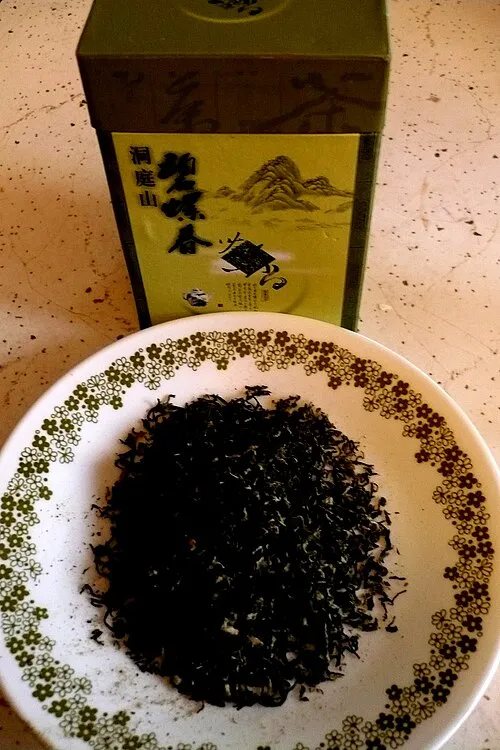
Green Tea Extract
Role: Rich in antioxidants, particularly EGCG (epigallocatechin gallate), Green Tea Extract offers powerful anti-inflammatory and neuroprotective benefits. It can improve blood flow and protect delicate cells, including those in the inner ear, from oxidative damage. Enhanced circulation to the inner ear can be crucial for maintaining its proper function and reducing the impact of fluid imbalances.
Typical Dose: 250-500 mg extract
Mucuna Pruriens
Role: This legume is a natural source of L-DOPA, a precursor to dopamine, a neurotransmitter vital for motor control, motivation, and mood regulation. By supporting healthy neurotransmitter levels, Mucuna Pruriens may contribute to overall neurological stability, potentially easing symptoms related to balance and coordination, and helping to manage stress and anxiety often associated with chronic conditions like Meniere's.
Typical Dose: 200-500 mg extract
N-Acetyl Cysteine (NAC)
Role: NAC is a powerful antioxidant and a precursor to glutathione, the body's master antioxidant. It plays a significant role in detoxification and reducing oxidative stress and inflammation. Protecting the delicate structures of the inner ear from damage caused by free radicals and inflammation could be beneficial in managing conditions like Meniere's, where cellular health is paramount for proper function.
Typical Dose: 600-1800 mg
Passionflower
Role: Widely recognized for its calming effects, Passionflower is often used to alleviate anxiety, nervousness, and insomnia. For individuals with Meniere's, managing stress and anxiety is crucial, as these can trigger or exacerbate attacks. By promoting relaxation, Passionflower can help reduce the frequency and intensity of stress-related symptoms, fostering a more stable internal environment.
Typical Dose: 200-400 mg extract
Valerian Root
Role: Valerian Root is a well-known herbal sedative and anxiolytic, primarily used to improve sleep quality and reduce anxiety. Given that sleep disturbances and heightened anxiety are common challenges for Meniere's sufferers, Valerian Root can be a valuable aid. By promoting restful sleep and reducing overall stress, it supports the body's ability to heal and regulate its systems, which can indirectly benefit inner ear health and balance.
Typical Dose: 300-600 mg extractThese ingredients, when combined thoughtfully in supplements like Claritox Pro, aim to create a synergistic effect, offering comprehensive support for neurological health, stress reduction, and inner ear function, which are all interconnected in the complex challenge of managing Meniere's disease and related balance issues.
Living with Meniere's: Practical Tips for Daily Life
Adapting daily routines and implementing practical strategies can significantly improve the quality of life for individuals managing Meniere's disease.
Coping with the unpredictable nature of vertigo attacks, persistent tinnitus, and fluctuating hearing loss requires resilience and proactive management. Here are some practical tips to navigate daily life:
- Create a Safe Home Environment: Remove tripping hazards, ensure good lighting, and consider installing grab bars in bathrooms. Keep frequently used items within easy reach to minimize bending or stretching, which can trigger dizziness.
- Plan Ahead for Activities: If you know certain situations or environments trigger your symptoms (e.g., crowded places, loud noises), try to avoid them or plan strategies to cope. Inform friends and family about your condition so they can provide support if an attack occurs.
- Carry an Emergency Kit: Include anti-nausea medication, a small snack, water, and any other items that help you cope during an attack. A card explaining your condition can also be helpful.
- Pace Yourself: Avoid overexertion and ensure you get adequate rest. Fatigue can exacerbate symptoms. Break down large tasks into smaller, manageable steps.
- Stay Hydrated and Mind Your Diet: Continue adhering to a low-sodium diet and consistently drink water throughout the day. This consistent effort can make a significant difference in fluid regulation.
- Practice Relaxation Techniques: Incorporate deep breathing, progressive muscle relaxation, or guided imagery into your daily routine. These techniques can help manage stress and anxiety, which are known triggers for Meniere's attacks.
- Utilize Hearing Aids: If hearing loss is significant, even if fluctuating, consult with an audiologist about hearing aids. They can help improve communication and reduce the strain of listening, which can be exhausting.
- Seek Support: Connect with others who have Meniere's disease through support groups, either online or in person. Sharing experiences and coping strategies can be incredibly validating and empowering.
- Consult a Vestibular Therapist: Even between attacks, many Meniere's patients experience persistent imbalance. A vestibular therapist can provide exercises to improve balance and gaze stability, helping the brain compensate for inner ear dysfunction.
- Inform Your Workplace/School: Discuss your condition with your employer or school administration to explore potential accommodations, such as flexible work hours or a quiet space to rest during an attack.
By integrating these practical tips, individuals can build a more structured and supportive environment, allowing them to better manage their symptoms and maintain a higher quality of life despite the challenges of Meniere's disease. Remember, consistency and self-compassion are key.
Important Considerations & When to Seek Medical Attention
While natural management strategies can be incredibly beneficial for Meniere's disease, it is crucial to understand their role as complementary approaches and to recognize when professional medical intervention is necessary.
Natural remedies and lifestyle changes, including dietary modifications and certain supplements, aim to support the body's intrinsic healing mechanisms and alleviate symptoms. However, they are not a substitute for a medical diagnosis or prescribed treatments from a qualified healthcare provider. Meniere's disease can have serious implications, including progressive hearing loss and severe vertigo that can lead to falls and injuries.
Always consult your physician:
- Before starting any new supplement regimen, especially if you are taking other medications or have pre-existing health conditions. This is particularly important for supplements like Claritox Pro, which contain potent herbal extracts.
- To get an accurate diagnosis for any new symptoms of dizziness, vertigo, hearing changes, or tinnitus. Self-diagnosing can be dangerous as similar symptoms can indicate other, potentially serious, medical conditions.
- If your Meniere's symptoms worsen, become more frequent, or change in character.
- If you experience new symptoms such as severe headache, numbness, weakness, vision changes, or difficulty speaking, as these could indicate a more serious neurological issue requiring immediate medical attention.
- If conventional treatments are not providing adequate relief or if you are experiencing severe side effects from prescribed medications.
Regular follow-ups with your ENT specialist or neurologist are essential to monitor the progression of your disease, assess the effectiveness of your management plan, and make any necessary adjustments. Your healthcare team can provide personalized advice based on your specific condition and medical history.
The journey with Meniere's disease is often a collaborative one between the patient and their medical team. While empowering yourself with knowledge about natural management is valuable, professional medical guidance ensures safety and the most effective care. For those seeking additional support for their balance and inner ear health, exploring options like Claritox Pro can be a part of a broader, medically-supervised wellness plan. You can find more information about where to find effective solutions for balance and dizziness issues by checking out resources like balance-problems-in-elderly-supplements.html, which discusses various supportive supplements.

Regain Your Balance and Clarity with Claritox Pro
If you're seeking a natural approach to support your brain health, nerve function, and overall balance, Claritox Pro offers a meticulously crafted formula. Designed to address the root causes of dizziness and instability, this supplement combines potent natural ingredients known for their efficacy in promoting inner ear health and neurological well-being.
- ✓ Supports healthy brain and nerve function
- ✓ Promotes inner ear health for improved balance
- ✓ Formulated with natural, plant-based ingredients
- ✓ Manufactured in an FDA-approved, GMP-certified facility
- ✓ Backed by a 60-day 100% money-back guarantee




Hear From Our Satisfied Customers
"I've battled Meniere's for years, and the constant vertigo was debilitating. Since starting Claritox Pro, I've noticed a significant reduction in the intensity and frequency of my episodes. My balance feels more stable, and I feel more confident in my daily activities. It's truly been a game-changer for me."
"The ringing in my ears and the feeling of fullness were driving me crazy. I was skeptical about natural supplements, but Claritox Pro came highly recommended. After a few weeks, the tinnitus became less intrusive, and the pressure in my ear eased. I'm so grateful for this product; it's given me a sense of peace I haven't had in years."
"Living with Meniere's meant constant anxiety about falling. Claritox Pro has helped me feel more grounded. My balance has improved, and I no longer feel that constant sway. It's allowed me to enjoy walks again and feel less isolated. I even recommended it to a friend who also struggles with dizziness."
Frequently Asked Questions
What exactly is Meniere's disease?
+Meniere's disease is a chronic, progressive disorder of the inner ear characterized by a classic triad of symptoms: episodic vertigo, tinnitus (ringing in the ears), and fluctuating hearing loss, often accompanied by a feeling of fullness or pressure in the affected ear. It is believed to be caused by an abnormal accumulation of fluid, called endolymph, in the inner ear, a condition known as endolymphatic hydrops.
What are the primary symptoms of Meniere's disease?
+The primary symptoms include sudden, severe attacks of vertigo (a spinning sensation), tinnitus (a buzzing, roaring, or whistling sound in the ear), fluctuating hearing loss (which can worsen during attacks), and aural fullness (a feeling of pressure in the ear). These symptoms typically occur in episodes that can last from 20 minutes to several hours, and their intensity can vary significantly.
Can Meniere's disease be naturally managed?
+While there's no definitive cure for Meniere's disease, many individuals find significant relief and improved quality of life through natural management strategies. These often include dietary modifications (especially low-sodium diets), stress reduction techniques, regular exercise, adequate hydration, and the incorporation of certain vitamins, minerals, and herbal supplements known to support inner ear health and neurological function.
How does diet impact Meniere's symptoms?
+Diet plays a crucial role, particularly sodium intake. A low-sodium diet is often recommended to help reduce fluid retention in the body, including the inner ear, which may alleviate symptoms of endolymphatic hydrops. Limiting caffeine and alcohol, which can act as diuretics or vasoconstrictors, is also often advised, as they can potentially trigger or worsen Meniere's attacks.
Is Claritox Pro a suitable option for Meniere's related balance issues?
+Claritox Pro is formulated with a blend of natural ingredients known for their potential to support brain health, nerve function, and overall balance. While it is not a direct treatment for Meniere's disease itself, its ingredients, such as Green Tea Extract, Zinc, and Bacopa Monnieri, may contribute to improved neurological communication and reduced oxidative stress, which could indirectly help manage some symptoms related to dizziness and balance problems. Always consult with your doctor before starting any new supplement.
How long does it take to see results with natural management strategies or supplements like Claritox Pro?
+The timeframe for seeing results can vary greatly depending on the individual, the severity of their condition, and consistency of application. For dietary and lifestyle changes, some individuals may notice improvements within weeks, while others might take months. With supplements like Claritox Pro, it's generally recommended to use them consistently for at least 30-90 days to allow the body to fully integrate the nutrients and for potential benefits to manifest. Patience and consistency are key.
Related Articles