Are You Experiencing Sudden, Debilitating Spinning Sensations?
Benign Paroxysmal Positional Vertigo (BPPV) is the most common cause of vertigo, a sudden sensation that you're spinning or that the inside of your head is spinning. While often alarming, BPPV is generally harmless and treatable, but its impact on daily life can be significant, leading to falls, anxiety, and a diminished quality of life.
Understanding the root causes and effective strategies, from medical maneuvers to natural supportive approaches, is crucial for regaining control. Many individuals seek relief through a combination of traditional and holistic methods to support their inner ear health and restore their sense of balance and clarity.

What is Benign Paroxysmal Positional Vertigo (BPPV)?
BPPV is a common inner ear problem that causes episodes of intense dizziness or vertigo. Understanding its mechanisms is the first step toward effective management and relief.
At its core, BPPV is a mechanical problem within the inner ear. Our inner ear contains a complex system of fluid-filled canals and sacs, known as the vestibular system, which is responsible for sensing head movements and maintaining balance. Within this system, specifically in the utricle and saccule, are tiny calcium carbonate crystals called otoconia, or "ear rocks." These crystals are normally embedded in a gelatinous membrane and help sense linear acceleration and gravity.
The problem arises when these otoconia become dislodged from their usual position and migrate into one of the three semicircular canals. These canals are filled with fluid (endolymph) and detect rotational head movements. When the loose crystals enter a canal, they make the fluid more sensitive to gravity. So, when you move your head in certain ways, the crystals shift, causing the fluid to move abnormally. This sends conflicting signals to your brain about your head's position, leading to the characteristic sensation of spinning or vertigo.
While the word "benign" might suggest it's harmless, the experience of BPPV can be anything but. The sudden onset of intense spinning can be terrifying and disorienting, often leading to falls, especially in older adults. "Paroxysmal" refers to the sudden, brief nature of the episodes, and "positional" indicates that these episodes are triggered by specific changes in head position. Recognizing these characteristics is key to identifying BPPV and distinguishing it from other types of dizziness.
💡 Key Takeaway
BPPV is caused by dislodged calcium crystals (otoconia) in the inner ear's semicircular canals, leading to brief, intense vertigo triggered by specific head movements. It's a mechanical issue, not a sign of serious illness, but it significantly impacts balance and quality of life.
Common Causes and Risk Factors of BPPV
While often idiopathic (without a known cause), several factors can increase your susceptibility to BPPV.
For many individuals, BPPV appears spontaneously, particularly as they age. However, several factors are known to increase the risk of developing this condition:
- Age: BPPV is most common in people over the age of 50. The natural degeneration of the otoconial membrane with age makes the crystals more likely to detach.
- Head Trauma: A blow to the head, even a minor one, can dislodge otoconia and lead to BPPV. This is a common cause in younger individuals.
- Other Inner Ear Disorders: Conditions like Meniere's disease, labyrinthitis, or vestibular neuritis can increase the risk of BPPV. Inflammation or damage to the inner ear structures can make the otoconia more vulnerable to displacement.
- Prolonged Head Positions: Activities that involve extended periods with the head in unusual positions, such as dental work, hair salon appointments, or certain sleeping positions, can sometimes trigger BPPV.
- Vitamin D Deficiency: Emerging research suggests a link between low vitamin D levels and BPPV, particularly recurrent BPPV. Vitamin D plays a role in calcium metabolism, which is crucial for the integrity of the otoconia.
- Osteoporosis: Similar to vitamin D deficiency, conditions affecting bone density and calcium regulation may contribute to the fragility and detachment of otoconia.
- Migraine: Some studies indicate a higher prevalence of BPPV in individuals who experience migraines, although the exact relationship is still being investigated.
Understanding these risk factors can help individuals and healthcare providers identify those at higher risk and potentially implement preventive strategies, though BPPV can still occur without any identifiable trigger.
Recognizing the Symptoms of BPPV
The symptoms of BPPV are distinct and typically involve a specific pattern of dizziness and associated sensations.
Sudden, Brief Vertigo
The most prominent symptom is a sudden, intense sensation of spinning or whirling. This isn't just lightheadedness; it feels like the room is moving around you or that you are moving within the room. These episodes are typically short, lasting anywhere from a few seconds to less than a minute.
Positional Triggers
The vertigo is almost always triggered by specific changes in head position. Common triggers include rolling over in bed, sitting up from a lying position, lying down, bending over, or looking up. The latency of onset (a few seconds after the movement) and the brief duration are key diagnostic indicators.
Nausea and Vomiting
Due to the intense disorientation, many individuals with BPPV experience nausea, and in more severe cases, vomiting. This can be particularly debilitating and contribute to a fear of movement.
Nystagmus
During a BPPV episode, involuntary eye movements called nystagmus often occur. These rapid, jerky eye movements are a direct result of the confusing signals being sent from the inner ear to the brain and are observed by a clinician during diagnostic maneuvers.
Imbalance or Unsteadiness
Even after the acute vertigo subsides, some individuals may feel a sense of imbalance or unsteadiness for a short period. This lingering sensation can contribute to anxiety and a fear of falling.
Absence of Other Symptoms
Crucially, BPPV typically does not involve other neurological symptoms like hearing loss, ringing in the ears (tinnitus), severe headache, double vision, or weakness. The presence of these other symptoms would suggest a different, potentially more serious, underlying condition.
If you experience these symptoms, especially if they are recurrent and triggered by specific movements, it's advisable to consult a healthcare professional for an accurate diagnosis. Early diagnosis can lead to prompt and effective treatment, significantly improving your quality of life.

Diagnosis and Conventional Medical Treatments for BPPV
Accurate diagnosis is key to effective treatment, and several established medical interventions can provide rapid relief for BPPV.
Diagnosing BPPV typically involves a physical examination and specific diagnostic maneuvers. The most common and effective diagnostic test is the Dix-Hallpike maneuver. During this test, the patient is quickly moved from a sitting to a supine position with their head turned to one side. The clinician then observes the patient's eyes for nystagmus (involuntary eye movements) and asks about the sensation of vertigo. The direction and duration of the nystagmus, along with the patient's subjective experience of vertigo, help identify which semicircular canal is affected and on which side.
Other diagnostic tools, such as Electronystagmography (ENG) or Videonystagmography (VNG), may be used to record eye movements, but the Dix-Hallpike maneuver remains the gold standard for BPPV. Imaging tests like MRI or CT scans are usually not necessary for BPPV diagnosis but may be performed to rule out other, more serious neurological conditions if atypical symptoms are present.
Conventional Treatments: Canalith Repositioning Procedures (CRPs)
The primary treatment for BPPV involves a series of head and body movements designed to move the dislodged otoconia out of the semicircular canals and back into the utricle, where they no longer trigger vertigo. These procedures are known as Canalith Repositioning Procedures (CRPs) and are highly effective, often providing immediate relief.
The most well-known and widely used CRPs include:
- The Epley Maneuver: This is the most common and effective treatment for posterior canal BPPV, which accounts for about 90% of all BPPV cases. It involves a sequence of four head and body positions, held for about 30 seconds each, designed to use gravity to guide the otoconia back into the utricle. It can be performed by a healthcare professional (doctor, audiologist, physical therapist) or, in some cases, taught for self-administration.
- The Semont Maneuver: Also known as the liberatory maneuver, this procedure is another effective treatment, particularly for posterior canal BPPV. It involves quickly moving the patient from lying on one side to the other, with the head turned in specific directions, to dislodge and reposition the crystals.
- Brandt-Daroff Exercises: These exercises are less effective than the Epley or Semont maneuvers for acute BPPV but can be used as a home exercise program for persistent or recurrent BPPV, or as a desensitization technique. They involve repeatedly moving from a sitting position to lying on one side, waiting for the vertigo to subside, and then repeating on the other side.
While these maneuvers are highly successful, some individuals may require multiple sessions. It's important to perform these under the guidance of a trained professional, especially initially, to ensure correct technique and safety. After a successful maneuver, patients may be advised to avoid certain head positions for a short period to prevent the crystals from migrating again.
Natural Approaches and Lifestyle Modifications for BPPV Support
Beyond medical interventions, a holistic approach incorporating lifestyle changes, diet, and specific natural compounds can significantly support inner ear health and overall balance.
Optimizing Hydration and Diet
Maintaining adequate hydration is crucial for overall bodily function, including the delicate fluid balance within the inner ear. Dehydration can exacerbate dizziness. A balanced diet rich in fruits, vegetables, and lean proteins provides essential nutrients for neurological health. Some individuals find that reducing caffeine, alcohol, and high-sodium foods helps minimize dizziness, though this can be highly individual.
Targeted Exercise and Vestibular Rehabilitation
While specific maneuvers address the dislodged crystals, regular balance exercises and vestibular rehabilitation can train the brain to compensate for vestibular dysfunction. Activities like Tai Chi, yoga, and specific balance drills can improve proprioception, strengthen core muscles, and enhance overall stability, reducing the risk of falls and improving confidence. Consulting a physical therapist specializing in vestibular issues can provide tailored programs.
Stress Management and Quality Sleep
Stress and anxiety can heighten the perception of dizziness and exacerbate symptoms. Practices like meditation, deep breathing exercises, mindfulness, and gentle yoga can help manage stress levels. Ensuring consistent, high-quality sleep is also vital, as sleep deprivation can impair cognitive function and worsen feelings of disorientation and fatigue, which are often associated with balance problems.
Nutritional Support and Specific Supplements
Certain vitamins, minerals, and botanical extracts have been studied for their roles in supporting neurological health, blood circulation, and antioxidant defense, all of which indirectly contribute to inner ear function and balance. For instance, Vitamin D deficiency has been linked to recurrent BPPV, and supplementation may be beneficial. Other compounds, like those found in supplements for balance and fall prevention, may offer supportive benefits.
Mindful Movement and Environmental Adjustments
Being aware of head movements and avoiding sudden, jerky motions can help prevent triggering BPPV episodes. Practicing slow, deliberate movements, especially when getting out of bed or looking up, can be beneficial. Additionally, ensuring a safe home environment by removing tripping hazards, using adequate lighting, and installing grab bars can reduce fall risk, enhancing confidence and mobility for those experiencing chronic balance issues.
Integrating these natural strategies into your routine can complement medical treatments and foster a more resilient vestibular system, contributing to long-term relief and improved well-being.
The Role of Natural Supplements in Supporting Balance and Inner Ear Health
While not a direct cure for BPPV, certain natural ingredients can provide comprehensive support for the neurological pathways and inner ear environment crucial for maintaining balance.
When considering holistic approaches to manage dizziness and support overall balance, nutritional supplementation often comes into focus. The idea is to provide the body with essential compounds that can help optimize brain function, improve circulation to the inner ear, and protect delicate neural structures from oxidative stress. This approach aims to create a more robust system that is less susceptible to balance disturbances or better equipped to recover from them.
Many individuals seek effective balance support supplements that combine several beneficial ingredients. Here are some of the key natural compounds often highlighted for their potential benefits:
- Bacopa Monnieri: An adaptogenic herb traditionally used in Ayurvedic medicine, Bacopa is renowned for its cognitive-enhancing properties. It may support neuroplasticity and reduce oxidative stress in the brain, which can indirectly contribute to better processing of balance signals.
- Green Tea Extract: Rich in antioxidants, particularly catechins like EGCG, green tea extract helps protect cells from damage. Its potential to improve blood flow and reduce inflammation can be beneficial for the delicate structures of the inner ear and the central nervous system.
- Mucuna Pruriens: This tropical legume contains L-Dopa, a precursor to dopamine. Dopamine plays a vital role in motor control, coordination, and mood, all of which are interconnected with maintaining stable balance and reducing the impact of stress on the body.
- N-Acetyl Cysteine (NAC): A powerful antioxidant and precursor to glutathione, NAC helps detoxify the body and protect against cellular damage. Its neuroprotective properties can be particularly beneficial for inner ear health and overall neurological function.
- Passionflower: Known for its calming effects, Passionflower can help reduce anxiety and stress, which often accompany dizziness and balance problems. By promoting relaxation, it may indirectly help stabilize the nervous system's response to vestibular challenges.
- Valerian Root: Another well-known herb for relaxation and sleep support, Valerian can improve sleep quality, which is crucial for the body's repair processes and for managing stress. Better sleep can lead to reduced fatigue and improved cognitive clarity, both of which are important for maintaining balance.
These ingredients work synergistically to support various aspects of neurological and inner ear health. While they do not directly reposition otoconia, they contribute to an optimized internal environment, potentially enhancing the body's natural resilience and recovery mechanisms. When choosing a supplement, look for formulations that prioritize purity, potency, and a blend of well-researched ingredients, such as Claritox Pro, which aims to support a healthy brain and inner ear system to combat dizziness and promote overall balance.
Claritox Pro: A Natural Approach to Support Balance and Inner Ear Health
Claritox Pro is formulated with a blend of natural ingredients designed to support the intricate systems responsible for balance and cognitive clarity, offering a complementary strategy for those seeking relief from dizziness and instability.

Bacopa Monnieri
Role: Supports cognitive function, memory, and reduces oxidative stress in the brain, contributing to clearer neurological signaling for balance.
Typical Dose: 300-450mg extract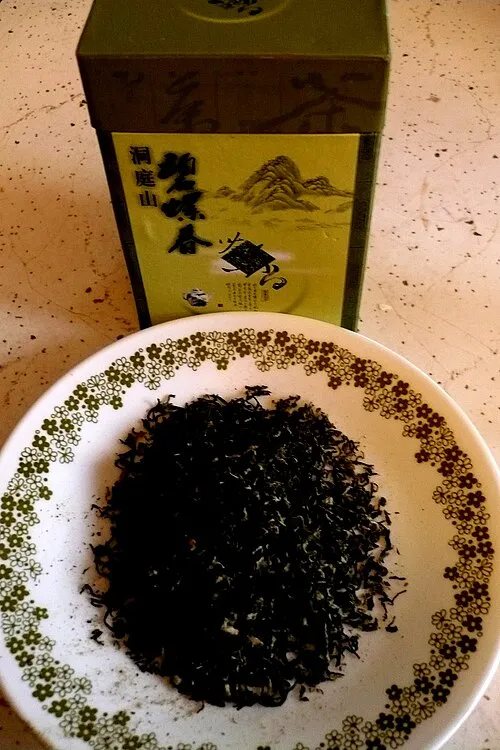
Green Tea Extract
Role: Potent antioxidant that protects cells from damage, potentially improving blood flow to the inner ear and supporting overall brain health.
Typical Dose: 250-500mg extract
Mucuna Pruriens
Role: Contains L-Dopa, supporting dopamine levels which are crucial for motor control, coordination, and mood stability, all impacting balance.
Typical Dose: 200-500mg extract
N-Acetyl Cysteine (NAC)
Role: Powerful antioxidant and detoxifier, protecting delicate inner ear and brain cells from environmental toxins and oxidative damage.
Typical Dose: 600-1200mg
Passionflower
Role: Promotes relaxation and reduces anxiety, which can often exacerbate feelings of dizziness and unsteadiness, supporting a calmer nervous system.
Typical Dose: 100-250mg extract
Valerian Root
Role: Aids in improving sleep quality and reducing stress, which are vital for the body's restorative processes and maintaining mental clarity for balance.
Typical Dose: 300-600mg extractClaritox Pro is designed for individuals seeking natural support for their body's balance system. By combining these and other carefully selected ingredients, it aims to nourish the brain and inner ear, helping to maintain a steady and clear sense of self.

Ready to Reclaim Your Balance and Clarity?
Don't let BPPV or general dizziness dictate your life. Claritox Pro offers a potent blend of natural ingredients, scientifically selected to support your inner ear health, brain function, and overall balance.
- ✓ Supports a healthy brain and nervous system
- ✓ Promotes optimal inner ear function
- ✓ Enhances natural balance and stability
- ✓ Made with 100% natural, plant-based ingredients
- ✓ Manufactured in an FDA-approved, GMP-certified facility




Real Stories from Claritox Pro Users
"For years, simple head movements would send me into a dizzying spin. After incorporating Claritox Pro into my routine, I've noticed a significant improvement in my stability. The episodes are less frequent and less intense. It's truly given me back my confidence."
"I was skeptical at first, but the constant lightheadedness was impacting my daily life. Claritox Pro was recommended by a friend, and I'm so glad I tried it. My brain feels clearer, and my balance has genuinely improved. I feel more grounded throughout the day."
"Managing BPPV has been a challenge, and while the Epley maneuver helps, I wanted something to support my overall inner ear health. Claritox Pro has been that missing piece. I feel less prone to dizziness, and my general sense of well-being is much better."
Frequently Asked Questions
What exactly is BPPV and what causes it?
+BPPV, or Benign Paroxysmal Positional Vertigo, is the most common cause of vertigo. It occurs when tiny calcium carbonate crystals, called otoconia, become dislodged from their normal position in the utricle and migrate into one of the semicircular canals of the inner ear. These crystals then interfere with the normal fluid movement, sending confusing signals to the brain about head position and movement, leading to episodes of intense dizziness or spinning.
What are the most common symptoms of BPPV?
+The hallmark symptom of BPPV is brief, intense episodes of vertigo (a sensation of spinning or whirling) triggered by specific head movements, such as looking up or down, rolling over in bed, or getting in and out of bed. These episodes typically last less than a minute. Other symptoms can include nausea, vomiting, and involuntary eye movements (nystagmus).
How is BPPV typically diagnosed and treated by medical professionals?
+Diagnosis often involves a physical examination and the Dix-Hallpike maneuver, where a doctor observes eye movements as your head is moved into specific positions. Treatment primarily involves Canalith Repositioning Procedures (CRPs), such as the Epley maneuver, which are a series of head movements designed to guide the dislodged otoconia back into the utricle. These procedures are highly effective and often provide immediate relief.
Can lifestyle changes and diet help manage BPPV symptoms?
+Yes, alongside professional treatment, certain lifestyle adjustments can be beneficial. Maintaining good hydration, getting adequate sleep, and managing stress can support overall inner ear health. Some individuals find avoiding caffeine, alcohol, and high-sodium foods helps reduce symptom severity or frequency, though scientific evidence for these dietary links is still developing.
Are there natural supplements that support balance and neurological health, potentially aiding in BPPV management?
+While supplements don't directly treat BPPV, certain natural ingredients are known for their neuroprotective and circulatory benefits, which can indirectly support overall balance and brain health. Ingredients like Bacopa Monnieri, Green Tea Extract, and N-Acetyl Cysteine are often studied for their potential to enhance cognitive function, reduce oxidative stress, and support neurological pathways involved in balance. Claritox Pro is an example of a supplement formulated with such ingredients, aiming to support the brain and inner ear system.
When should I seek immediate medical attention for dizziness or vertigo?
+While BPPV is generally benign, it's crucial to seek immediate medical attention if your dizziness or vertigo is accompanied by symptoms like severe headache, sudden hearing loss, double vision, difficulty speaking, weakness or numbness on one side of the body, loss of consciousness, or difficulty walking. These could indicate a more serious underlying condition that requires urgent medical evaluation.
Related Articles